
How to Care for and Maintain Acrylic Products
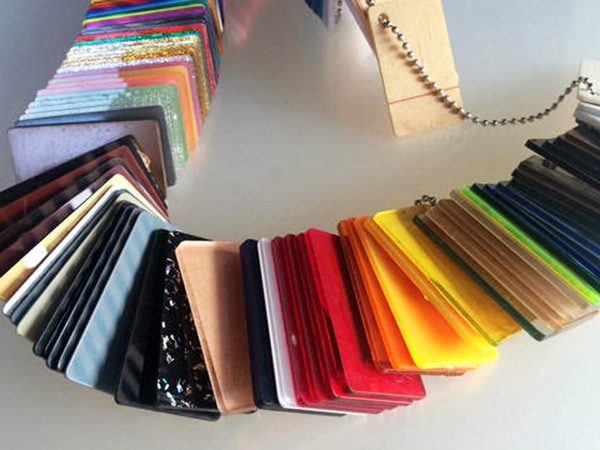
Acrylic products are prized for their clarity, durability, and versatility. From furniture and picture frames to retail displays and aquariums, acrylic items are found in a wide range of settings. However, to maintain their appearance and longevity, proper care and maintenance are essential. This article provides a detailed guide on how to care for and maintain acrylic products, ensuring they remain in pristine condition for years to come.
Understanding Acrylic
Before diving into care and maintenance tips, it’s important to understand the nature of acrylic. Acrylic, or polymethyl methacrylate (PMMA), is a type of plastic known for its glass-like appearance and superior strength. It’s lighter and more impact-resistant than glass but can be more susceptible to scratches and chemical damage. Knowing these characteristics helps in applying the right maintenance techniques.
General Cleaning Tips
Regular cleaning is crucial to keep acrylic products looking their best. Here’s how to clean acrylic surfaces effectively:
1. Use a Soft Cloth
Always use a soft, non-abrasive cloth such as microfiber to clean acrylic. Avoid using paper towels, as they can scratch the surface.
2. Mild Soap and Water
Mix a solution of mild dish soap and warm water. Gently wipe the acrylic surface with the soapy water using the soft cloth. Rinse with clean water and dry with another soft cloth to prevent water spots.
3. Avoid Harsh Chemicals
Never use ammonia-based cleaners (like some glass cleaners), acetone, or other harsh chemicals on acrylic. These substances can cause the acrylic to crack or become cloudy.
4. Specialized Acrylic Cleaners
There are cleaners specifically designed for acrylic. These products can safely clean the surface without causing damage and often include anti-static properties to reduce dust accumulation.
Removing Scratches
Despite your best efforts, acrylic surfaces may occasionally get scratched. Here’s how to address minor scratches:
1. Buffing with a Polishing Compound
For light scratches, use a plastic polishing compound. Apply a small amount to a clean, soft cloth and gently rub it onto the scratched area in a circular motion. Continue until the scratch is less noticeable or removed. Finish by cleaning the area with mild soap and water.
2. Sanding for Deeper Scratches
For deeper scratches, you might need to use fine-grit sandpaper. Start with 600-grit sandpaper, followed by 800-grit, and finish with 1200-grit sandpaper. Wet the sandpaper and the acrylic surface, then gently sand the scratch in a circular motion. After sanding, polish the area with a plastic polishing compound.
Preventing Damage
Prevention is the best way to maintain the quality of acrylic products. Here are some tips to avoid damage:
1. Avoid Abrasive Materials
Always keep abrasive materials away from acrylic surfaces. This includes rough cloths, scouring pads, and gritty substances that can cause scratches.
2. Protect from Heat
Acrylic can warp or melt if exposed to high temperatures. Avoid placing hot items directly on acrylic surfaces. Use coasters, trivets, or protective mats to shield the material from heat.
3. Handle with Care
When moving acrylic items, handle them with care to prevent drops and impacts. Use both hands and consider using padding if transporting larger acrylic pieces.
Maintaining Acrylic Furniture
Acrylic furniture, such as chairs, tables, and shelving, requires specific care to maintain its appearance and structural integrity.
1. Regular Dusting
Dust acrylic furniture regularly using a soft, lint-free cloth. This prevents dust buildup and reduces the need for more intensive cleaning.
2. Avoid Direct Sunlight
Prolonged exposure to direct sunlight can cause some acrylic products to discolor or become brittle over time. Place acrylic furniture in shaded areas or use window treatments to limit UV exposure.
3. Use Appropriate Cleaners
For cleaning acrylic furniture, stick to mild soap and water or specialized acrylic cleaners. Avoid any abrasive cleaners or tools that could scratch the surface.
Caring for Acrylic Aquariums
Acrylic aquariums are popular due to their clarity and strength but require specific care to keep them in top condition.
1. Regular Cleaning
Clean the interior and exterior surfaces of the aquarium regularly to prevent algae buildup and water spots. Use an acrylic-safe algae scraper for the interior.
2. Water Changes
Perform regular water changes to maintain a healthy environment for the aquatic life and to prevent residue buildup on the acrylic surfaces.
3. Avoid Harsh Cleaners
Just like other acrylic products, avoid using harsh chemicals inside the aquarium. Use only aquarium-safe products to clean the interior.
Maintaining Acrylic Signage and Displays
Acrylic signage and displays are commonly used in retail environments due to their professional appearance and durability.
1. Routine Cleaning
Keep acrylic signage and displays clean by wiping them down regularly with a soft cloth and mild soapy water. This keeps them looking clear and attractive.
2. Protective Coatings
Consider applying a protective coating to acrylic displays to reduce the risk of scratches and static buildup. There are products available specifically for this purpose.
3. Proper Installation
Ensure that acrylic signs and displays are properly installed and securely mounted. This minimizes the risk of damage from accidental bumps or falls.
Long-Term Storage Tips
If you need to store acrylic items for an extended period, follow these guidelines to prevent damage:
1. Clean Before Storing
Clean the acrylic items thoroughly before storing them. This prevents any dirt or residue from causing damage over time.
2. Use Protective Covers
Cover the acrylic items with soft cloths or bubble wrap to protect them from dust and potential scratches.
3. Store in a Cool, Dry Place
Choose a storage location that is cool, dry, and away from direct sunlight. Avoid places with extreme temperatures or humidity levels.
Acrylic products are a versatile and attractive choice for many applications, but they require proper care and maintenance to retain their beauty and functionality. By following the guidelines outlined in this article, you can ensure that your acrylic items remain in excellent condition for years to come. Regular cleaning, careful handling, and preventative measures are key to preserving the clarity and durability of acrylic, allowing you to enjoy the benefits of this remarkable material.
