
Eco-Friendly Acrylic Sheets: Green Manufacturing

In today’s world, sustainability and eco-friendliness are more important than ever. As industries seek to reduce their environmental impact, the demand for sustainable materials has surged. Acrylic sheets, traditionally known for their versatility and durability, are now being manufactured with eco-friendly practices. The journey of acrylic sheets towards green manufacturing and sustainable development, highlighting their benefits, production processes, and various applications.
The Environmental Impact of Traditional Acrylic Production
Traditional acrylic production, like many plastic manufacturing processes, has been associated with significant environmental impacts. These impacts include high energy consumption, the release of greenhouse gases, and the generation of waste. The primary raw material for acrylic, methyl methacrylate (MMA), is derived from petroleum, a non-renewable resource. Additionally, the disposal of acrylic products contributes to landfill waste, given their non-biodegradable nature.
Recognizing these challenges, the industry has been innovating to reduce the environmental footprint of acrylic production and make the material more sustainable.
Innovations in Eco-Friendly Acrylic Manufacturing
Several advancements have been made to produce eco-friendly acrylic sheets, focusing on reducing resource consumption, lowering emissions, and enhancing recyclability. Here are some key innovations:
- Bio-Based Raw Materials: One significant development is the use of bio-based MMA derived from renewable resources, such as plant-based feedstocks. This reduces reliance on petroleum and lowers the carbon footprint of acrylic production.
- Energy-Efficient Processes: Modern manufacturing techniques have been optimized to consume less energy. For instance, improvements in the polymerization process can reduce energy use and greenhouse gas emissions.
- Recycling and Reuse: Recycled acrylic, also known as recycled polymethyl methacrylate (PMMA), is becoming increasingly popular. Acrylic waste from manufacturing and post-consumer products is collected, purified, and reprocessed into new sheets, minimizing waste and conserving resources.
- Water-Based Processes: Traditional acrylic production often involves the use of solvents, which can be harmful to the environment. Water-based manufacturing processes eliminate the need for these solvents, reducing pollution and improving workplace safety.
- Closed-Loop Systems: Some manufacturers have adopted closed-loop systems where waste materials are continuously recycled back into the production process. This approach not only reduces waste but also enhances the efficiency of resource use.
Benefits of Eco-Friendly Acrylic Sheets
Eco-friendly acrylic sheets offer numerous benefits that make them an attractive choice for various applications:
- Reduced Environmental Impact: By using renewable resources and energy-efficient processes, eco-friendly acrylic sheets significantly lower their environmental footprint compared to traditional acrylic sheets.
- Durability and Longevity: Like conventional acrylic, eco-friendly acrylic sheets are highly durable, impact-resistant, and long-lasting. This means fewer replacements and less waste over time.
- Recyclability: The ability to recycle acrylic sheets at the end of their lifecycle contributes to a circular economy, reducing the amount of plastic waste in landfills.
- Versatility: Eco-friendly acrylic sheets retain the versatility of traditional acrylic, making them suitable for a wide range of applications, from construction and signage to consumer goods and art.
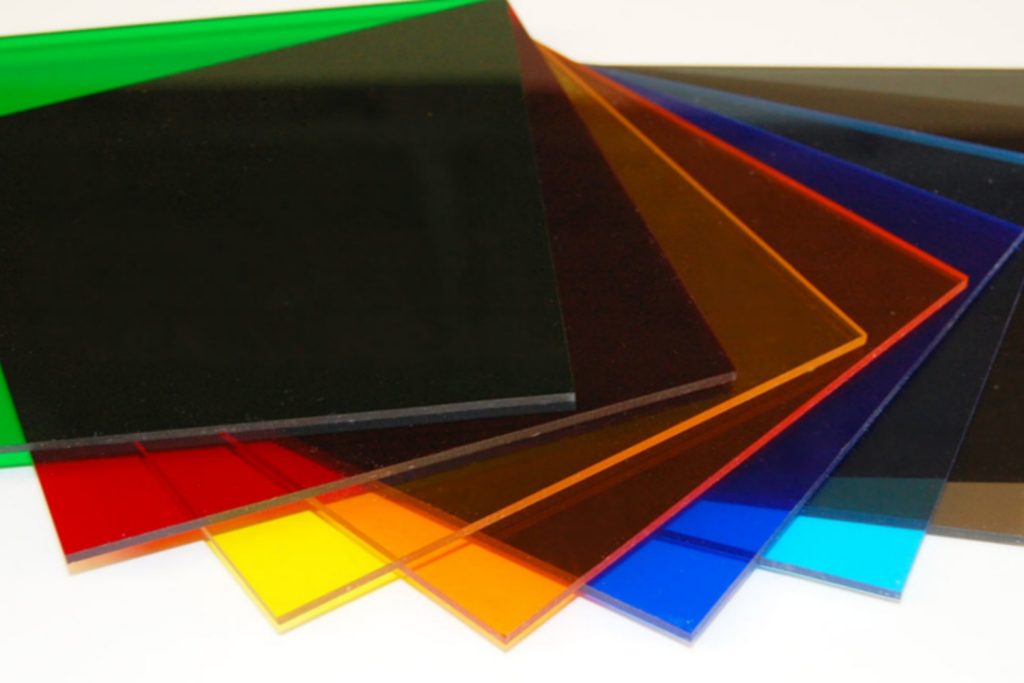
- Aesthetic Appeal: Available in various colors, finishes, and textures, eco-friendly acrylic sheets can meet diverse design needs without compromising on aesthetics.
Applications of Eco-Friendly Acrylic Sheets
Eco-friendly acrylic sheets can be used in numerous applications, demonstrating their versatility and sustainability:
- Architectural and Interior Design: Acrylic sheets are widely used in architecture and interior design for windows, skylights, partitions, and decorative elements. Eco-friendly versions offer the same clarity and aesthetic appeal while promoting sustainability.
- Signage and Displays: Retailers and businesses are increasingly opting for eco-friendly acrylic sheets for signage and displays. These sheets provide excellent optical clarity and can be easily customized to create eye-catching designs.
- Furniture and Home Décor: Designers are incorporating eco-friendly acrylic sheets into furniture and home décor items, such as tables, chairs, shelves, and decorative panels. Their durability and modern look make them a popular choice for sustainable design.
- Automotive and Transportation: The automotive industry uses acrylic sheets for components like windows, sunroofs, and interior panels. Eco-friendly acrylic sheets help reduce the overall environmental impact of vehicle production.
- Medical and Healthcare: In the medical field, acrylic sheets are used for protective barriers, equipment covers, and medical devices. Eco-friendly acrylic ensures that these essential products contribute to a healthier environment.
- Art and Crafts: Artists and craftsmen appreciate the clarity, ease of fabrication, and wide range of colors offered by eco-friendly acrylic sheets. These materials allow for creative expression while supporting sustainable practices.
Challenges and Future Directions
While significant progress has been made in the development of eco-friendly acrylic sheets, challenges remain. The cost of bio-based raw materials and advanced manufacturing processes can be higher than traditional methods, potentially affecting the market competitiveness of eco-friendly acrylic. Additionally, ensuring the widespread availability of recycled acrylic feedstock is crucial for maintaining a consistent supply.
To overcome these challenges, continued research and development are essential. Innovations in biotechnology, recycling technologies, and manufacturing efficiency will further enhance the sustainability of acrylic sheets. Collaboration among industry stakeholders, policymakers, and consumers is also vital to drive the adoption of eco-friendly acrylic solutions.
Eco-friendly acrylic sheets represent a significant step forward in the pursuit of sustainable development. By leveraging bio-based materials, energy-efficient processes, and recycling practices, the acrylic industry is reducing its environmental impact and contributing to a circular economy. These sustainable materials offer the same versatility, durability, and aesthetic appeal as traditional acrylic sheets, making them suitable for a wide range of applications.
As the demand for eco-friendly products continues to grow, the adoption of green manufacturing practices for acrylic sheets will likely become more widespread. This shift not only benefits the environment but also aligns with the values of consumers and businesses committed to sustainability. By choosing eco-friendly acrylic sheets, we can contribute to a greener future and demonstrate that innovation and environmental responsibility can go hand in hand.
