
Acrylic Sheets: The Invisible Hero of Everyday Life

You might not realize it, but there’s a material quietly shaping your daily life—from the organizer on your desk to your child’s toys, from mall signage to hospital partitions. Meet acrylic sheets, the unassuming yet indispensable material that combines the elegance of glass with the practicality of modern polymers. Let’s explore how acrylic hides in plain sight and powers the convenience and beauty of modern living.
What is Acrylic?
Acrylic, scientifically known as polymethyl methacrylate (PMMA), is often called “organic glass.” First used in aircraft windshields in the 1930s, its lightweight, shatterproof, and crystal-clear properties soon made it a staple in everyday products.
Why it stands out:
- Lightweight & Safe: Half the weight of glass, shatterproof, and no sharp edges.
- Crystal Clarity: 92% light transmission, rivaling glass.
- Endless Customization: Easily cut, bent, engraved, or dyed into any color.
Acrylic Around You: 10 Surprising Uses
1. Home & Décor
Floating Shelves & Coffee Tables: The viral “invisible” furniture trend? Acrylic sheets make it possible.
Bathroom Organizers: Water-resistant acrylic cosmetic trays outlast metal ones.
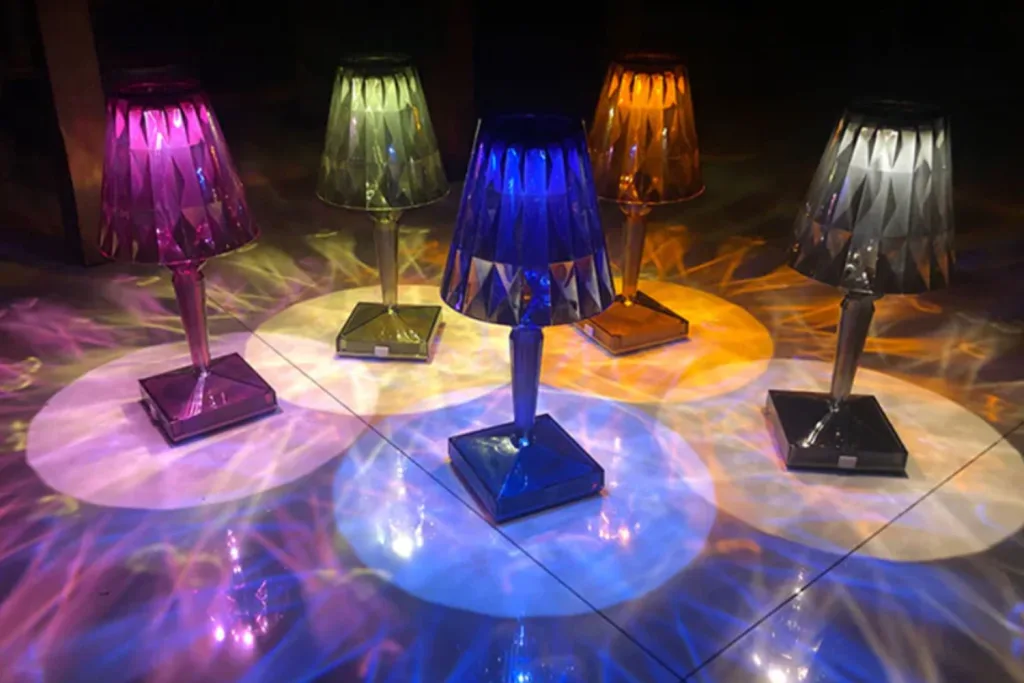
Lamp Shades: Brands like IKEA use acrylic for lightweight, shatterproof lighting.
2. Kitchen Essentials
Microwave-Safe Containers: Acrylic meal prep boxes won’t release toxins when heated.
Café Menu Boards: Reusable acrylic boards let cafes update promotions effortlessly.
3. Office & Education
COVID-19 Screens: Clear acrylic partitions became office and classroom staples.
Awards & Plaques: Corporate “Employee of the Month” trophies often use laser-engraved acrylic.
Dry-Erase Boards: Some reusable writing boards have acrylic backings for durability.
4. Healthcare & Public Safety
NICU Incubators: Acrylic observation windows ensure safety and clarity.
Bus Stop Signage: Withstands hailstorms better than glass or plastic.
5. Unexpected Innovations
Nail Art: Fluorescent nail decals are ultra-thin laser-cut acrylic.
Aquarium Decor: Acrylic coral replicas look more realistic than plastic.
Wedding Decor: Instagram-worthy transparent chairs weigh less than 5 lbs.
Why Acrylic Beats Glass & Plastic
This comparison shows acrylic’s unique balance:
| Feature | Acrylic | Glass | Plastic |
| Safety | Shatterproof, no sharp edges | Fragile, dangerous | Safe but prone to warping |
| Aesthetics | Crystal-clear, customizable | Heavy & rigid | Often looks cheap |
| Durability | UV-resistant (5+ years outdoors) | Prone to breakage | Fades/cracks quickly |
| Eco-Friendliness | Recyclable, non-toxic when burned | Hard to recycle | May contain BPA |
Fun Facts About Acrylic
Museum-Grade Protection: The Louvre uses bulletproof acrylic for artifact displays—20x stronger than glass.
Red Carpet Glam: Oscar stage backdrops use acrylic for flawless light reflection without fingerprints.
Space Exploration: The International Space Station’s windows have acrylic coatings to resist cosmic radiation.
How to Spot High-Quality Acrylic
Check Edges: Low-quality cuts appear cloudy; premium acrylic has polished, ceramic-like edges.
Flame Test: Real acrylic burns cleanly with a faint fruity scent (no black smoke or plastic stench).
Scratch Test: A coin shouldn’t leave marks on genuine acrylic.
The Unsung Hero of Modern Living
Acrylic’s magic lies in its versatility—it’s the safe toy in a nursery, the sleek award on an office wall, the unbreakable bus shelter, and the futuristic touch in space exploration. Next time you sip coffee from an acrylic mug or admire a glowing store display, remember this humble material. It may lack the prestige of marble or the warmth of wood, but its adaptability makes it the silent backbone of contemporary life.

