
Acrylic Sheets Explained: From Manufacturing to Practical Use

In the world of plastics, acrylic sheets are one of the most popular and highly sought-after materials. If you are considering using acrylic sheets for your next project but aren’t quite sure about what type of sheets you may need or how to properly care for them once acquired, this guide has you covered. Here, we delve into the details of acrylic sheets, including their types, manufacturing processes, benefits, and practical uses.
What Is Acrylic Plastic?
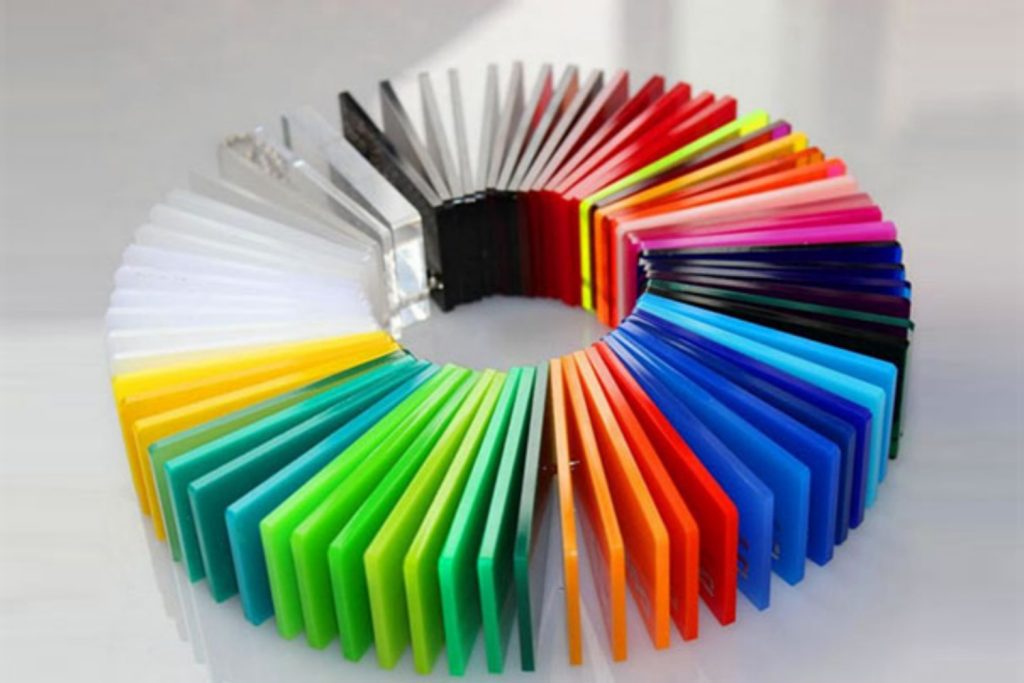
Acrylic, also known as plexiglass or acrylic glass, is a versatile plastic material with a multitude of purposes and benefits. It is available in a wide range of colors and opacities, and it is most commonly sold in sheets of various thicknesses. Acrylic can also be found in forms such as rods or tubes, and styles such as frosted, mirrored, or non-glare. Conveniently, acrylic plastic can be molded and colored to fit specific applications, making it a cost-effective and durable material for many projects.
How Are Acrylic Sheets Made?
There are two popular kinds of acrylic sheets: cast and extruded. Each type has its own unique manufacturing process.
Cast Acrylic Sheets
Cast acrylic sheets can be created using two different manufacturing techniques: batch cell and continuous production. The batch cell process is the most commonly used. This method is simple and effective, allowing the creation of sheets ranging from 0.06 inches to 6 inches thick and from three feet to several hundred feet in length. These sheets are often made to order. In contrast, continuous production is a quicker process that runs nonstop and requires less labor. This method is popular for producing very thin or narrow sheets.
Extruded Acrylic Sheets
Extruded acrylic sheets use extrusion-grade polymer pellets as a base. These pellets are created when a monomer is suspended in a water solution and a catalyst is added, forming droplets of polymers. The pellets are then fed into an extruder, which heats them until they have a molten, liquid consistency. The molten plastic is then put into a metal die, which acts like a mold. The die flattens the molten plastic into a uniform sheet through pressure. Depending on the space between the dies, sheets of various thicknesses can be produced. The sheets are then cooled, cut to the proper size, and finished using sanding and buffing techniques.
Types of Specialized Acrylic Sheets
Acrylic sheets come in various specialized types, each designed for specific applications:
OP2 Acrylic Plastic
ACRYLITE OP2 sheets are ultraviolet-filtering grades of acrylic sheet. They filter 98% of harmful ultraviolet light, making them ideal for display cases and protective glazing, especially in museums, galleries, and for private collectors.
OP3 Acrylic Plastic
OP3 acrylic sheets provide 98% UV protection and are commonly used in frame-grade applications. They are designed to protect artwork and documents from harmful UV light, which is a common cause of fading and degradation. OP3 acrylic is known for its resilience and is widely used by professional framers, museum curators, and artists.
P95 Acrylic Plastic
Acrylic P95 sheets have a translucent matte finish that provides superior ink and paint retention properties. They are commonly used for digital printing, silk screening, and sign making. These sheets have greater clarity and impact resistance than glass and are easy to fabricate.
P99 Acrylic Plastic
Acrylic non-glare P99 frame-grade sheets are ideal for displaying art, photographs, prints, and more. These sheets minimize glare and reflections with their soft matte finish, providing a top-grade viewing experience from almost any angle. They are half the weight of glass and 17 times more impact-resistant, making them a preferred choice for picture framing.
Benefits of Acrylic Sheets
Acrylic sheets offer a wide variety of benefits:
- Versatility: They can be used across many industries, including construction, signage, retail, and display.
- Easy Fabrication: Acrylic sheets are easy to shape and mold to fit specific needs.
- Lightweight and Strong: They are lighter and stronger than glass, reducing the risk of breakage.
- Transparency: Acrylic sheets offer excellent clarity and transparency, similar to that of glass.
- Ease of Maintenance: They are easy to clean and maintain, making them suitable for a variety of applications.
These properties make acrylic sheets a popular choice for point-of-purchase displays, windows, signage, picture frames, furniture, aquariums, and DIY projects.
Commercial Uses of Acrylic Sheets
Acrylic sheets are used in a multitude of commercial applications, such as:
- Plexiglass Windows: Used in both residential and commercial buildings for their durability and clarity.
- Skylights: Provide natural light while maintaining strength and impact resistance.
- Secure Facilities: Used in banks, prisons, and other secure locations due to their strength and shatter resistance.
- Retail Displays: Ideal for creating attractive, durable, and clear display cases.
- Trade Shows: Used for booths, signs, and displays due to their versatility and ease of customization.
- Barrier Shields: Widely used as protective barriers in various settings, especially in response to health and safety concerns.
How to Cut Acrylic Sheets
Cutting acrylic sheets can be done using different tools depending on the thickness of the sheet:
- For thicker sheets: Use a jigsaw or a table saw equipped with a blade designed for cutting acrylic. This ensures a clean cut and makes the finishing process easier.
- For thinner sheets: A utility knife or a scoring tool can be used to score and snap the sheet.
It is important to use the right tools and techniques to avoid cracking or chipping the acrylic.
How to Remove Scratches from Acrylic Sheets
Removing scratches from acrylic sheets involves evaluating the depth of the scratches and using the appropriate materials and techniques:
For light scratches:
- Clean the acrylic sheet with dish soap or a specialized cleaner like Novus No. 1.
- Use a clean, dry cotton or microfiber cloth to wipe away any debris.
- Apply Novus No. 2 and gently polish with a firm, back-and-forth motion.
- Wipe away any remaining cleaner with a clean cloth.
For deeper scratches:
- Follow the cleaning steps above.
- Use wet 600-grit sandpaper to sand the scratched area in a circular motion.
- Alternate with dry 600-grit sandpaper for about four minutes.
- Repeat the process with 800-grit and then 1200-grit sandpaper, alternating between wet and dry.
- Finish by polishing with Novus No. 2 and then Novus No. 1 for a smooth, scratch-free surface.
Deep cracks may require gluing, but this can leave visible residue, and replacement might be the best option for severely damaged sheets.
Final Thoughts
Acrylic sheets are a versatile and durable material suitable for a wide range of applications. Understanding the different types of acrylic, their manufacturing processes, and how to properly care for them can help you make the most of this material for your projects. If you have questions or need customized acrylic sheets, contact a specialist to discuss your specific needs and find the best solution for your project.
