
Acrylic vs. Glass: Which Material is Best for Your Needs?
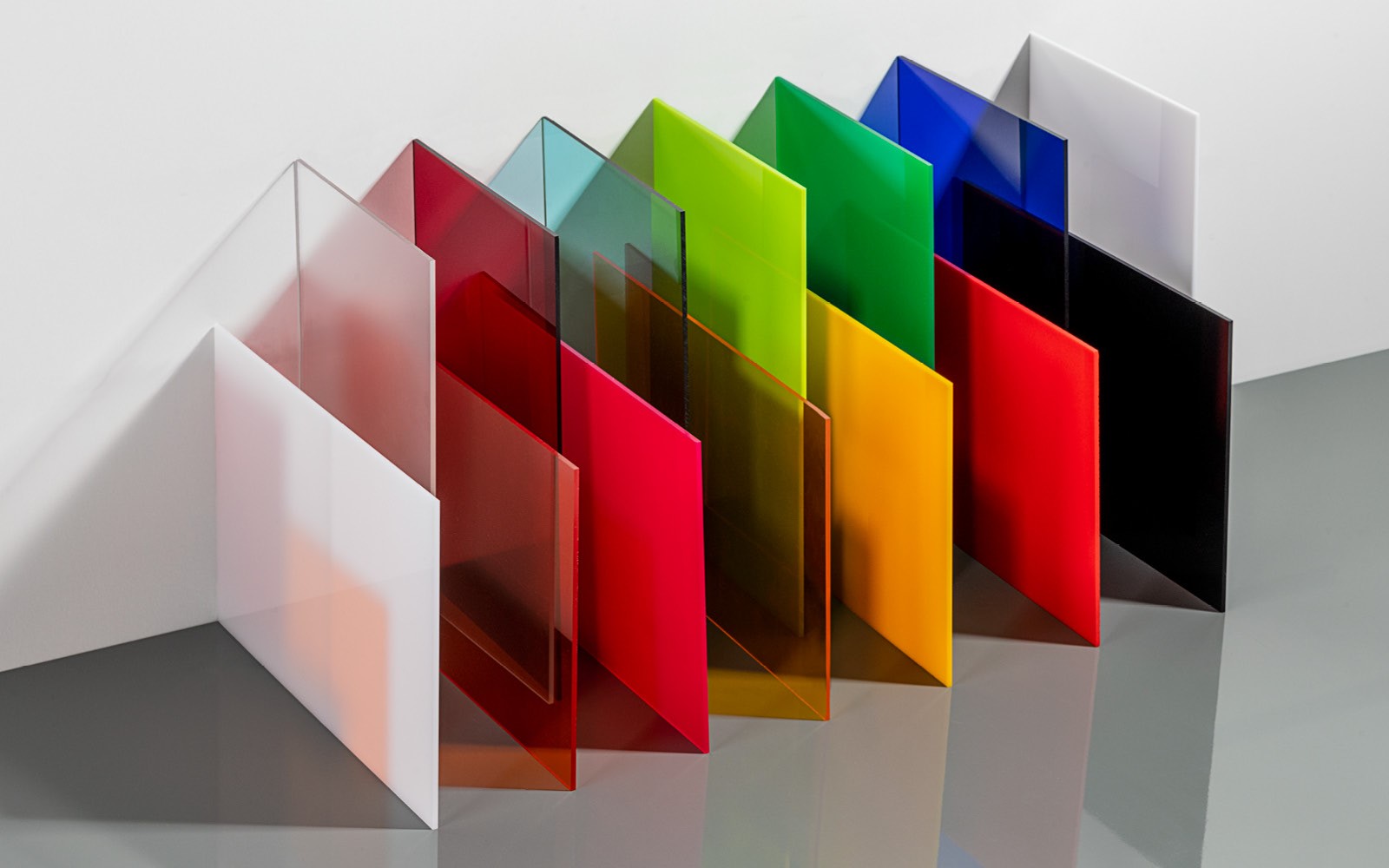
When selecting materials for a project, whether it’s for home décor, construction, or retail displays, one of the most common decisions is choosing between acrylic and glass. Both materials offer distinct advantages and disadvantages, making the decision dependent on the specific needs and applications. This article explores the properties, benefits, and drawbacks of acrylic and glass to help you determine which material is best suited for your needs.
Properties and Characteristics
Acrylic
Acrylic, also known as polymethyl methacrylate (PMMA), is a type of plastic that is often used as a lightweight, shatter-resistant alternative to glass. It is known for its excellent optical clarity, durability, and versatility.
- Optical Clarity: Acrylic can transmit up to 92% of light, making it exceptionally clear. It is often used in applications where clear visibility is crucial.
- Weight: Acrylic is approximately half the weight of glass, making it easier to handle and install.
- Impact Resistance: Acrylic is much more impact-resistant than glass, up to 17 times stronger, which reduces the risk of breaking or shattering.
- Weather Resistance: Acrylic is resistant to UV radiation and weathering, making it suitable for outdoor applications.
- Workability: Acrylic can be easily cut, drilled, and shaped using standard tools, allowing for greater flexibility in design and fabrication.
Glass
Glass is a traditional material that has been used for centuries in a variety of applications. It is valued for its optical properties, strength, and aesthetic appeal.
- Optical Clarity: Glass also offers high optical clarity, transmitting up to 90% of light, though specific types of glass can vary in transparency.
- Weight: Glass is significantly heavier than acrylic, which can impact transportation and installation.
- Impact Resistance: Glass is more brittle and prone to breaking or shattering upon impact. However, tempered or laminated glass can provide enhanced safety features.
- Scratch Resistance: Glass is more resistant to scratches compared to acrylic, maintaining its clarity and appearance over time.
- Chemical Resistance: Glass is highly resistant to chemicals and does not react with most substances, making it ideal for certain industrial applications.
Applications
Common Uses for Acrylic
- Retail Displays: Acrylic is often used for point-of-sale displays, shelving, and product showcases due to its clarity and durability.
- Signage: Illuminated signs and advertising displays frequently use acrylic because it can be easily fabricated and colored.
- Automotive: Acrylic is used for car windows, windshields, and light covers due to its lightweight and impact-resistant properties.
- Home Décor: Picture frames, furniture, and decorative items are often made from acrylic for their aesthetic appeal and safety.
- Medical: Protective barriers, equipment covers, and incubators benefit from acrylic’s clarity and ease of sterilization.
Common Uses for Glass
- Windows and Doors: Glass is the material of choice for windows and doors in buildings due to its transparency and insulating properties.
- Tabletops and Shelves: The scratch resistance and aesthetic appeal of glass make it ideal for tabletops, shelves, and countertops.
- Mirrors: Glass mirrors provide excellent reflectivity and durability.
- Architectural Features: Glass is used in architectural designs for facades, partitions, and skylights.
- Laboratory Equipment: Glass is commonly used in laboratories for its chemical resistance and ability to be sterilized.
Advantages and Disadvantages
Advantages of Acrylic
- Lightweight: Easier to transport, handle, and install.
- Shatter-Resistant: Less likely to break, enhancing safety in high-traffic areas.
- Workability: Can be easily molded and fabricated into various shapes.
- UV Resistance: Does not yellow or degrade under UV exposure.
Disadvantages of Acrylic
- Scratch Susceptibility: More prone to scratches compared to glass, though this can be mitigated with scratch-resistant coatings.
- Heat Sensitivity: Can warp or melt at high temperatures, limiting its use in high-heat environments.
- Chemical Reactivity: Certain solvents and chemicals can damage acrylic.
Advantages of Glass
- Scratch Resistance: Maintains clarity and appearance over time due to its hardness.
- Aesthetic Appeal: Offers a premium look and feel that is difficult to replicate with other materials.
- Chemical Resistance: Ideal for use in environments where exposure to chemicals is a concern.
- Thermal Stability: Can withstand high temperatures without warping or melting.
Disadvantages of Glass
- Weight: Heavier and more cumbersome to transport and install.
- Fragility: Prone to breaking or shattering, which can pose safety risks.
- Workability: More difficult to cut and shape compared to acrylic, often requiring specialized tools.
Cost Considerations
The cost of materials is always an important factor. Generally, acrylic is less expensive than glass, both in terms of material cost and the associated transportation and installation expenses. However, high-quality, specialty acrylics can sometimes approach the cost of glass, especially if additional treatments or coatings are required.
Environmental Impact
Both acrylic and glass have environmental considerations. Glass is fully recyclable and can be recycled indefinitely without loss of quality, making it a more sustainable option in the long term. Acrylic, on the other hand, is also recyclable, but the recycling process is more complex and not as widely implemented. Additionally, the production of acrylic involves the use of fossil fuels, contributing to its environmental footprint.
Making the Choice: Acrylic or Glass?
The decision between acrylic and glass ultimately depends on the specific needs and constraints of your project. Here are some key considerations to help you make an informed choice:
- Safety: For applications where safety and impact resistance are paramount, such as in public spaces or around children, acrylic is the better option due to its shatter-resistant properties.
- Weight: If the weight of the material is a concern, such as in portable displays or structures, acrylic’s lightweight nature is advantageous.
- Durability: For surfaces that will be subject to frequent handling and potential scratching, glass may be preferable due to its scratch resistance.
- Cost: If budget constraints are significant, acrylic is often the more cost-effective choice, particularly for large projects.
- Aesthetic: For a premium, high-end look, glass may be the preferred material due to its visual appeal and feel.
- Environmental Impact: If sustainability is a priority, glass’s recyclability may make it the better option.
Both acrylic and glass have their own sets of strengths and weaknesses, making them suitable for different applications and environments. Understanding the specific properties and advantages of each material allows you to make a more informed decision based on your unique requirements. Whether you prioritize safety, cost, durability, or aesthetics, choosing the right material will ensure the success and longevity of your project.
