
The Making of Pearlescent Acrylic
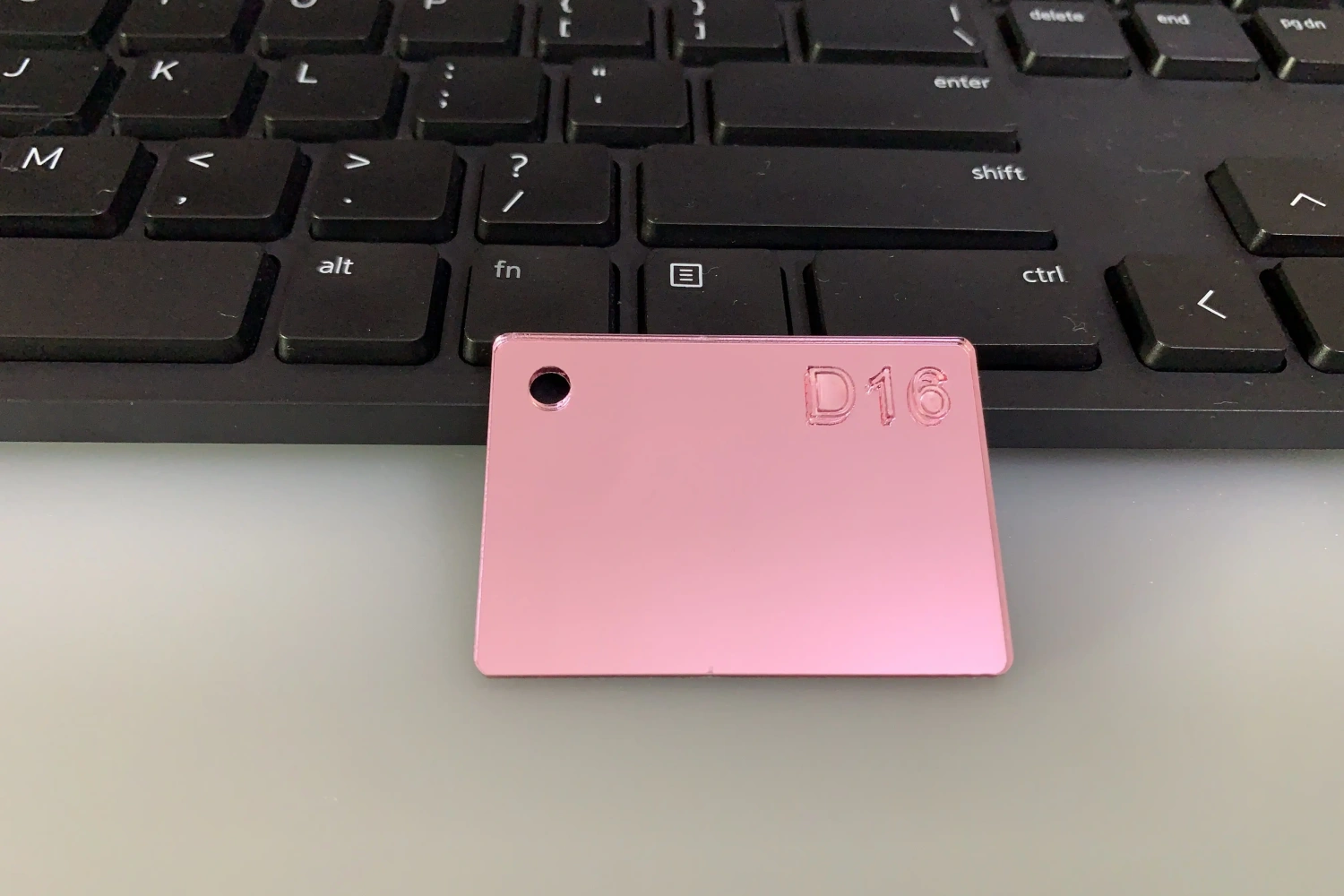
Pearlescent acrylic, known for its shimmering, lustrous finish, has become a popular material in various industries, from interior design to art installations. The creation of pearlescent acrylic involves a fascinating blend of science and artistry, transforming raw materials into radiant, versatile sheets. This article delves into the intricate process of making pearlescent acrylic, exploring each step from raw materials to the final glowing product.
The Unique Appeal of Pearlescent Acrylic
Before diving into the manufacturing process, it’s essential to understand what makes pearlescent acrylic so special. Unlike standard acrylic sheets, pearlescent acrylic contains mica or synthetic pearlescent pigments that create a shimmering effect. This adds depth and a unique play of light, making it an attractive choice for designers and artists. Its reflective quality can transform any space, adding a touch of elegance and sophistication.
Step 1: Sourcing the Raw Materials
The production of pearlescent acrylic begins with the sourcing of high-quality raw materials. The primary components include:
- Acrylic Polymer (PMMA): The base material for acrylic sheets is polymethyl methacrylate (PMMA), a transparent thermoplastic known for its strength and clarity.
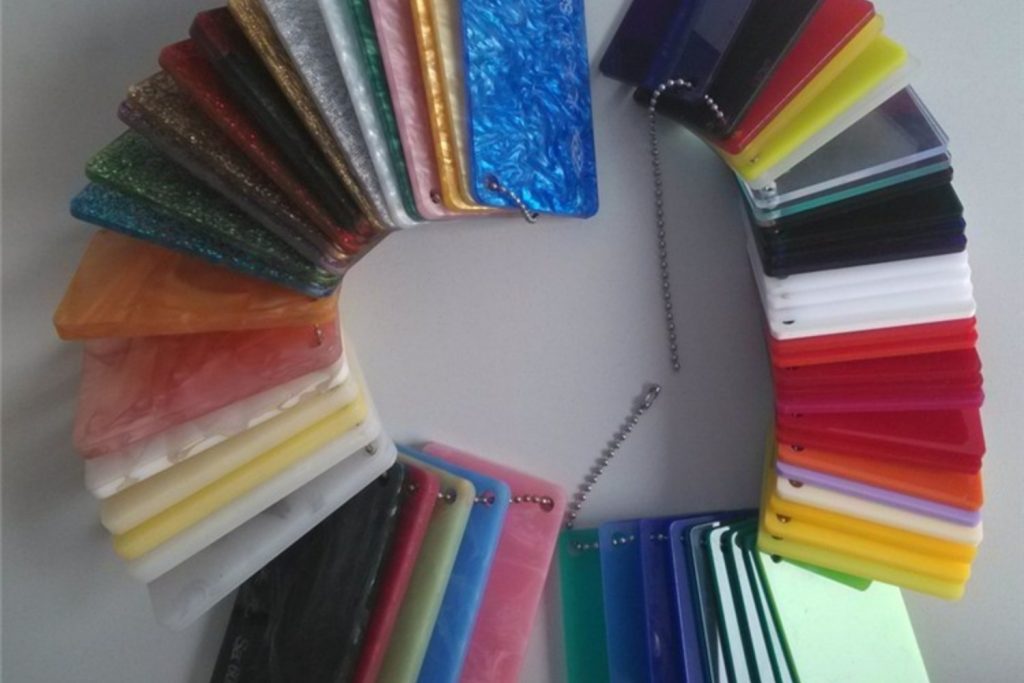
- Pearlescent Pigments: These pigments, often derived from mica or synthetic materials, are responsible for the sheet’s unique shimmering effect. They are available in various colors and sizes, allowing for a wide range of aesthetic possibilities.
- Additives: Additional chemicals and stabilizers are used to enhance the material’s properties, such as UV resistance, durability, and ease of processing.
Step 2: Preparing the Acrylic Resin
The acrylic resin, which forms the basis of the sheet, is prepared through a polymerization process. Here’s how it works:
- Mixing: The acrylic monomers are mixed with initiators and other additives in a controlled environment. This mixture is the foundation of the acrylic resin.
- Polymerization: The mixture undergoes polymerization, where the monomers react to form long polymer chains. This process is typically carried out in bulk polymerization reactors, ensuring uniformity and consistency.
- Incorporating Pearlescent Pigments: During the polymerization process, pearlescent pigments are carefully added to the resin. The timing and method of adding these pigments are crucial, as they need to be evenly distributed to achieve the desired effect.
Step 3: Forming the Acrylic Sheets
Once the acrylic resin is ready, it’s time to form the sheets. There are two primary methods for this: casting and extrusion. Both methods can be used to produce pearlescent acrylic, but casting is more common for achieving high-quality, uniform sheets.
Casting Method:
- Mold Preparation: Molds are prepared and treated to ensure the acrylic does not stick to the surfaces. These molds are typically made of glass or stainless steel.
- Pouring the Resin: The acrylic resin, now mixed with pearlescent pigments, is poured into the molds. The molds are then closed and clamped to prevent leakage.
- Curing: The resin-filled molds are placed in a curing oven, where heat is applied to accelerate the polymerization process. The temperature and duration of curing depend on the thickness and size of the sheet.
- Demolding: After curing, the molds are carefully opened, and the solidified acrylic sheets are removed. These sheets are then inspected for quality and consistency.
Extrusion Method:
- Melting the Resin: The acrylic resin is melted in an extruder, creating a viscous, flowable material.
- Adding Pigments: Pearlescent pigments are added to the molten resin during extrusion, ensuring even distribution.
- Forming the Sheet: The molten acrylic is forced through a die to form sheets of the desired thickness. These sheets are then cooled and solidified.
- Cutting and Finishing: The extruded sheets are cut to size and subjected to finishing processes, such as sanding and polishing, to achieve the desired surface quality.
Step 4: Finishing and Quality Control
After forming, the pearlescent acrylic sheets undergo several finishing processes to ensure they meet the highest standards:
- Trimming and Sizing: The sheets are trimmed to the required dimensions using precision cutting tools.
- Surface Finishing: To enhance the sheet’s appearance and smoothness, surfaces are polished and sanded. This step is crucial for removing any imperfections and ensuring a flawless finish.
- Quality Inspection: Each sheet is inspected for defects, such as air bubbles, inconsistent pigmentation, or surface scratches. High-quality control standards are maintained to ensure that only the best sheets make it to the market.
Step 5: Customization and Applications
One of the significant advantages of pearlescent acrylic is its versatility. Once the sheets are finished, they can be customized for various applications:
- Cutting and Shaping: Pearlescent acrylic sheets can be easily cut and shaped using laser cutters, saws, and CNC machines. This allows for intricate designs and precise dimensions.
- Printing and Engraving: The sheets can be printed on or engraved to add personalized designs, logos, and patterns. This is particularly popular in the signage and display industry.
- Bending and Forming: Using heat, pearlescent acrylic sheets can be bent and formed into various shapes, making them ideal for creating custom fixtures and installations.
Applications of Pearlescent Acrylic
The unique properties of pearlescent acrylic make it suitable for a wide range of applications:
- Interior Design: Pearlescent acrylic is widely used in interior design to create stunning wall panels, partitions, and decorative elements. Its reflective quality enhances lighting and adds a touch of elegance to any space.
- Retail Displays: Retailers use pearlescent acrylic to create eye-catching displays that attract customers. Its ability to catch and reflect light makes products stand out.
- Art and Sculpture: Artists and sculptors value pearlescent acrylic for its ability to add depth and dimension to their work. It is used to create both functional and purely aesthetic pieces.
- Signage: Custom signs made from pearlescent acrylic are popular in businesses and public spaces. The material’s durability and visual appeal make it ideal for both indoor and outdoor signage.
- Furniture: Designers use pearlescent acrylic to create unique furniture pieces, such as tables, chairs, and shelving units. Its modern, sleek look complements various design styles.
The journey of pearlescent acrylic from raw materials to radiant sheets is a testament to the blend of science and artistry involved in its creation. The meticulous process of sourcing, mixing, forming, and finishing ensures that each sheet meets the highest standards of quality and beauty. Whether used in interior design, art, or retail, pearlescent acrylic continues to captivate with its unique ability to transform light and space. Its versatility, durability, and aesthetic appeal make it an essential material for creative professionals and DIY enthusiasts alike, ensuring its place as a favorite in the world of design and manufacturing.
